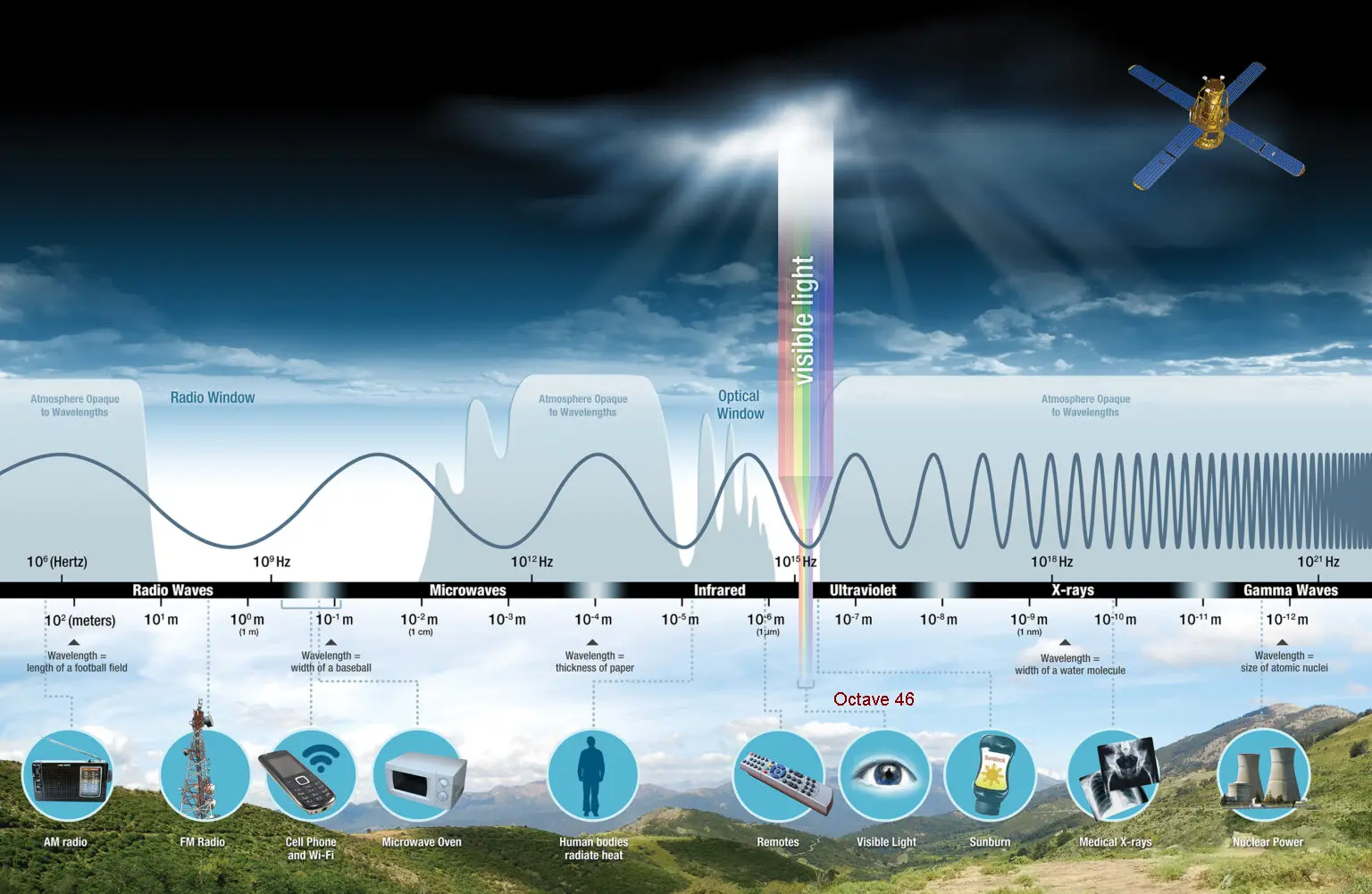
The Resonant Universe: How Octaves May Hold the Key to Everything
This essay explores the pervasive role of octaves in both the physical and conceptual structures of nature. Beginning with an analysis of musical octaves as a framework for understanding harmonic resonance, the discussion expands to illustrate how octave-based scaling manifests in fields as diverse as acoustics, electromagnetism, and quantum physics. The very structure of reality—across classical, relativistic, and quantum domains—appears to be shaped by recurring patterns of harmonic doubling, resonance, and frequency scaling. If resonance is fundamental to physical reality, is it equally fundamental to mind and spirit? The adjutant mind spirits, the cosmic mind, and the evolving Supreme all point toward a grand symphony of being, where every advancing personality is learning to vibrate in accordance with a deeper, universal truth.

From the Leyden Jar to the Radio
This essay traces the nearly two-century progression from the Leyden jar to practical radio, showing how successive breakthroughs in electrical storage, induction, electromagnetic theory, wave detection, and resonance accumulated into a technology that transformed global communication. Beyond the technical history, it examines how cultural institutions, intellectual currents, collaboration, and recurring episodes of serendipity created the conditions in which such advances could occur. Through the interpretive lens of The Urantia Book, the essay further explores whether this pattern of converging discoveries may reflect not only human ingenuity but also the indirect, non-coercive influence of the master seraphim in fostering planetary progress.
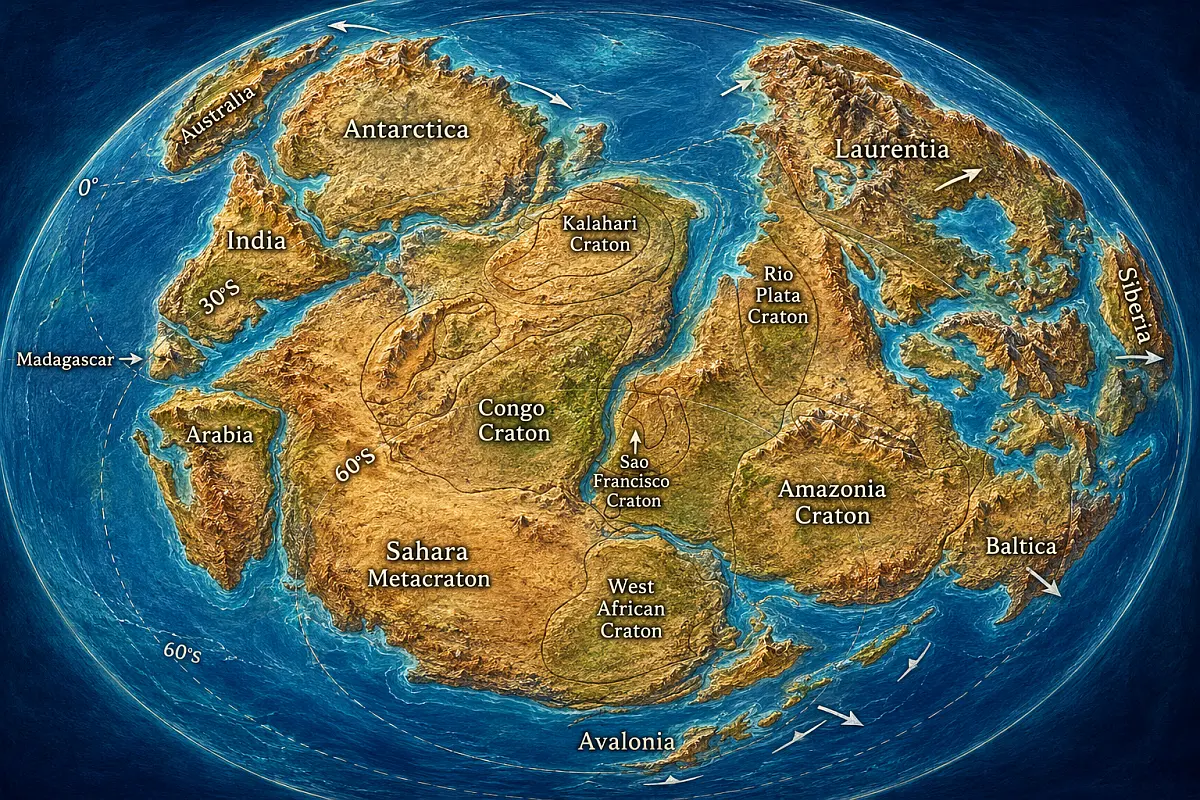
The Precambrian Supercontinent
This essay explores the remarkable accuracy of The Urantia Book’s description of a billion-year-old supercontinent in 1935 that was not known by science until the 1990's. Mark McMenamin, a prominent paleontologist named this "Rodinia" in 1998 in his seminal book The Garden of Ediacara. Its subsequent breakup, was only validated by scientific consensus decades later. This level of detail and accuracy, according to McMenamin, suggests extraordinary geological knowledge by the authors, further supporting the notion of the Urantia Book as a significant revelation that bridges the domains of science and religion.

Göbekli Tepe - A GPS for Understanding Uncanny Discoveries
his essay: "Göbekli Tepe: A GPS for Understanding Rare Discoveries,"" explores the significant implications of the Göbekli Tepe archaeological site on human history through the lens of The Urantia Book. The essay provides a detailed account of the site's discovery, describing its unique architectural features, such as massive T-shaped pillars and intricate carvings, which challenge conventional theories about the development of early civilizations.

Life Carriers - Gaia
James Lovelock's GAIA hypothesis, now an acceptable scientific theory, sets the stage, I believe, for a full-blown study of the Life Carriers as revealed in the Urantia Book. (Actually the story of the Life Carriers informed me to do a full-blown study of Lovelock's GAIA hypothesis!). The essay is actually a response to a critique of a fellow UB student and colleague who said I am "misled" and that “atheistic implications seem to permeate the theory.”

Space-Time Response
What begins as a question about gravity, light, and Einstein's space-time develops into a much broader exploration of the changing scientific picture of reality. The essay brings relativity, quantum physics, electrical and plasma phenomena, and process philosophy into conversation with The Urantia Book, asking whether its cosmology—especially its portrayal of the Almighty Supreme—offers a larger framework for understanding the paradoxes emerging at the boundaries of modern science.
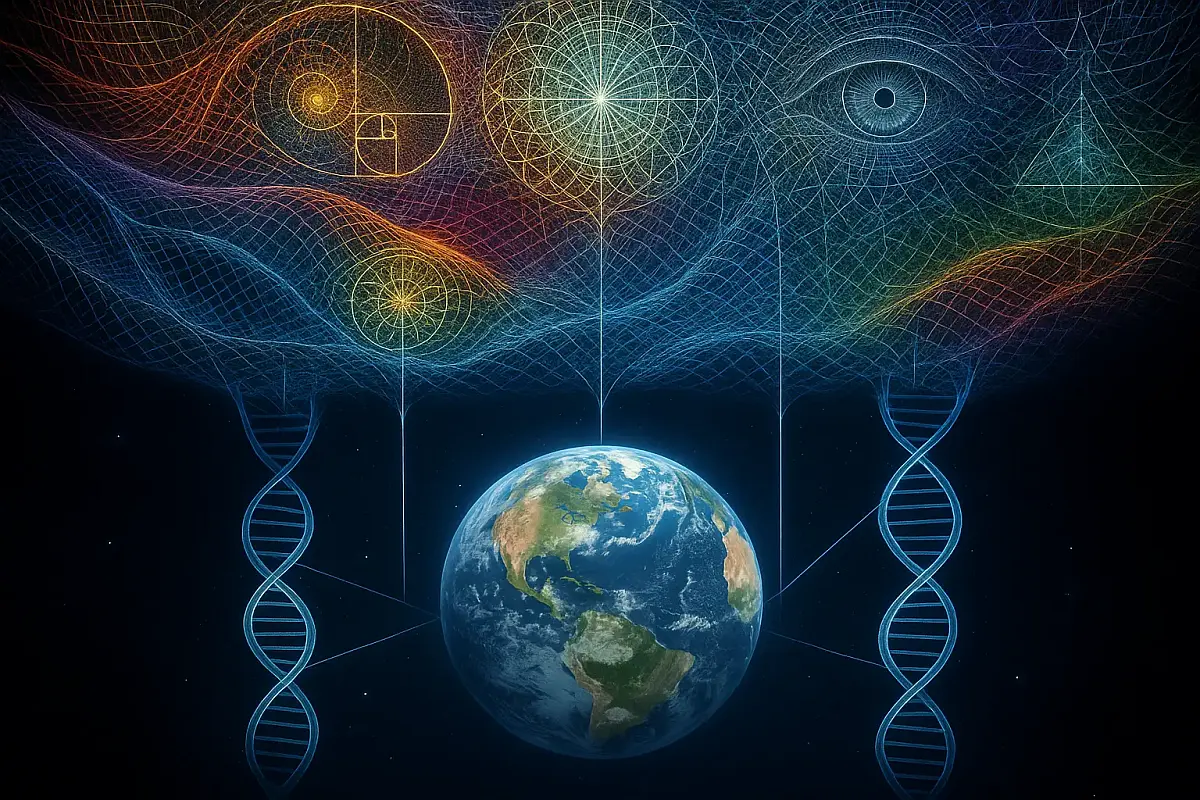
From Intelligent Design to Managed Evolution
Can evolutionary science and divine purpose describe the same story? Beginning with Fr. Martin Hilbert’s Catholic case for Intelligent Design, this essay examines the persistent conflict among evolution, Adam and Eve, original sin, and purposeful creation. It then explores The Urantia Book’s concept of managed evolution as a wider framework in which biological development, mind, personality, and divine intention become parts of one evolutionary process.